Why London Startups Are Investing in UX Earlier Than Ever
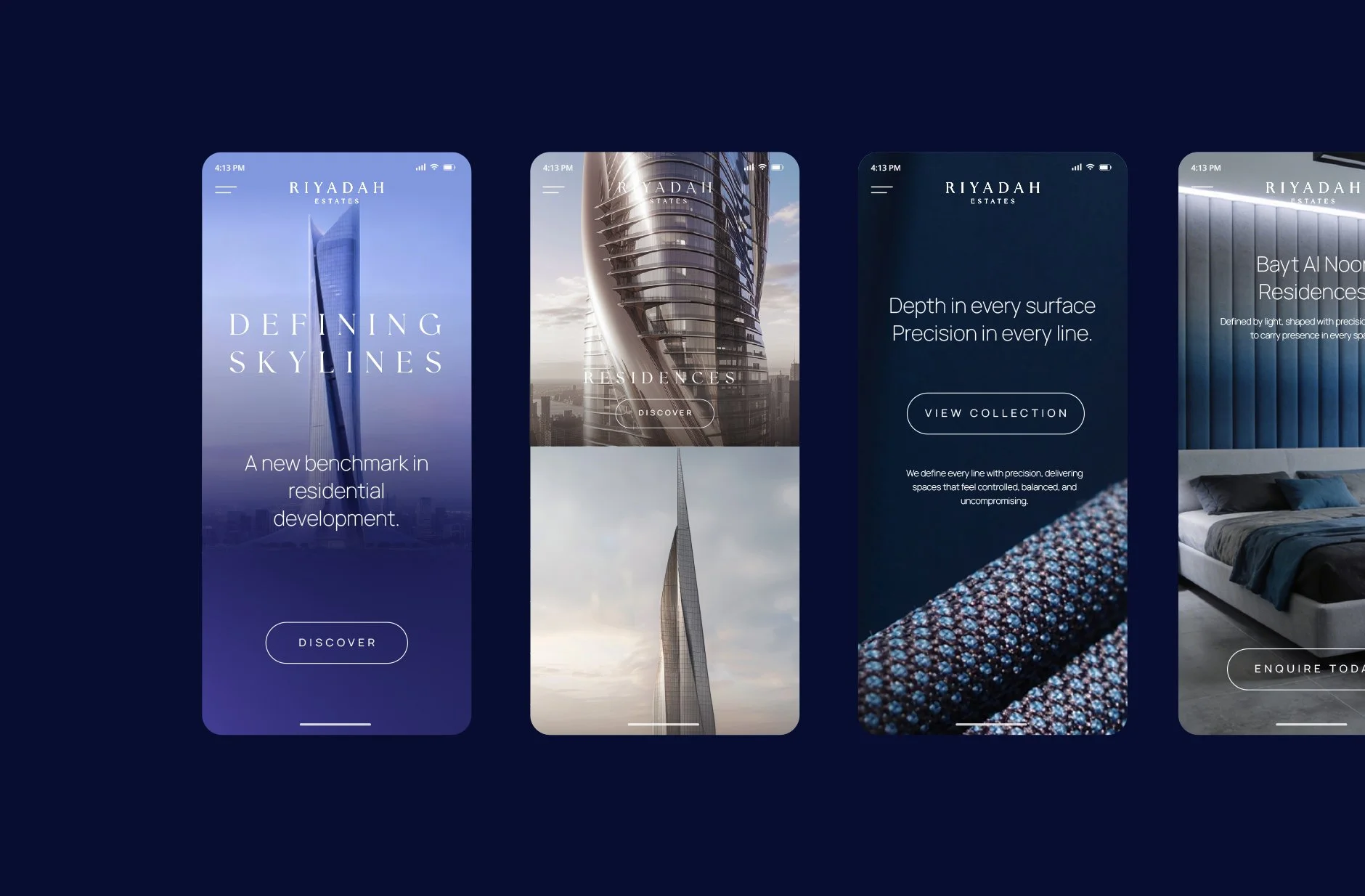
There’s been a clear shift in how London startups approach product development.
UX used to come later. After the idea was validated, after the MVP was built, and often only once problems started appearing. It was treated as refinement, something to improve once the core product existed.
That approach is disappearing.
Today, many London startups are bringing UX into the earliest stages, sometimes before any real development begins. Not because it looks good, but because it changes how products perform.
In a market as competitive and fast-moving as London, that difference matters.
Key Takeaways
London startups are investing in UX earlier because user experience now directly influences retention, onboarding performance, engagement, scalability, and overall product growth rather than functioning as a purely visual improvement.
Investors increasingly expect startups to demonstrate clear user journeys, tested product flows, and evidence of usability, making strong UX a strategic advantage during funding and product validation stages.
Early-stage UX helps reduce development risk by identifying friction points, improving key user journeys, and preventing teams from investing heavily into features or flows that do not perform effectively in practice.
As digital products become more complex through AI features, dashboards, and multi-step workflows, startups are recognising that UX must be structured from the beginning to make those systems feel intuitive and easy to use.
UX Has Become a Growth Lever, Not a Design Layer
Startups are no longer investing in UX and UI Design for aesthetics.
They are doing it because it directly affects growth.
When a product is easy to understand, simple to navigate, and removes friction from key actions, users stay longer. They complete onboarding more often, return more frequently, and drop off less.
Those improvements compound.
Higher engagement leads to stronger retention. Stronger retention leads to better revenue performance. Over time, that feeds directly into valuation and scalability.
In London’s startup environment, where multiple companies are often solving similar problems, that difference in experience can determine which product is adopted and which is ignored.
“Works fine” is no longer enough. It has to feel effortless.
Investor Expectations Have Changed
The way startups are evaluated has also evolved.
Investors are no longer looking only at the idea or the technology. They want to see how the product behaves in real use.
That includes onboarding flows, user journeys, and evidence that people can understand and use the product without friction.
Founders are responding to that.
Instead of presenting early concepts, they are showing structured flows, tested prototypes, and clear user behaviour insights. It makes the product feel more real, more considered, and less risky.
That changes how the business is perceived during funding conversations.
A startup that demonstrates how users interact with the product is easier to trust than one that relies purely on vision.
UX Reduces Risk Before Development Scales
One of the biggest shifts is when UX is introduced.
Previously, many startups would build first, then adjust. That often led to wasted time and resources, building features that users didn’t need or flows that didn’t work properly.
Now, more teams are designing and testing the experience before committing to development.
Key journeys such as sign-up, onboarding, and core actions are mapped, tested, and refined early. That exposes friction points before they become expensive to fix.
The benefit is not just better design. It’s more efficient development.
Engineering time is spent building what actually works, rather than correcting what doesn’t.
London’s Ecosystem Supports Early UX Investment
Location also plays a role.
London has a high concentration of UX and product design talent, both within agencies and as independent specialists. That makes it easier for startups to access the right expertise early, rather than delaying until later stages.
It also normalises the approach.
When founders see other startups prioritising UX from day one, it becomes part of the expected process rather than an optional extra.
That environment accelerates adoption.
UX is not something introduced when problems appear. It’s built into how products are created from the start.
More Complex Products Require Better UX
Products themselves are becoming more complex.
AI-driven features, data-heavy dashboards, and multi-step workflows are increasingly common, even at early stages. Without clear UX, these features quickly become confusing.
This raises the stakes.
A strong UI can make something look polished, but it doesn’t solve complexity. UX is what makes that complexity usable.
London startups are recognising this earlier.
Instead of adding advanced features and trying to simplify them later, they are designing the experience around those features from the beginning.
That makes the product feel more intuitive, even when the underlying functionality is complex.
Where Many Startups Still Get It Wrong
Despite the shift, some patterns remain.
Some teams still treat UX as a visual layer. They focus on interface design without properly defining flows or user behaviour. Others delay UX decisions until development has already started, making changes more difficult.
Both approaches create friction later.
The issue is not whether UX is included, but when and how it is applied.
Early-stage UX is not about perfection. It’s about clarity.
Understanding how users move through the product, what they expect, and where they might hesitate.
What This Means in Practice
For startups building today, UX is no longer a finishing step.
It sits alongside product thinking from the beginning.
That means defining journeys before building features, testing assumptions before scaling, and aligning design with behaviour rather than just visuals.
The result is not just a better-looking product, but one that performs more predictably once it reaches real users.
Frequently Asked Questions
-
Yes, but at the right level. Early-stage UX does not need to be complex or expensive. Even simple journey mapping, wireframes, and basic user testing can uncover issues that would otherwise only appear after launch. Addressing these early prevents costly changes later and helps build a product that people can actually use.
-
It depends on how it is approached. Compared to fixing problems after development, early UX is usually more efficient. Making changes at the planning or prototype stage is significantly faster and cheaper than reworking live products. In most cases, UX reduces wasted development time rather than adding to cost.
-
Developers can cover some aspects, particularly around structure and functionality, but UX requires a different focus. It is not just about whether something works, but how people interact with it, how intuitive it feels, and how easily users can complete tasks. Without that perspective, products often function correctly but still feel difficult to use.
-
At an early stage, UX usually focuses on defining key user journeys, structuring flows, and testing core interactions before development begins. This might include wireframes, simple prototypes, and feedback from real or representative users. The goal is clarity, not perfection.
-
Yes. UX directly affects how easily users can understand and use a product. Better usability leads to higher engagement, stronger retention, and smoother onboarding. For startups, these factors often matter more than adding new features.
-
Once the core product is validated and gaining traction. At that point, improving user experience becomes a key driver of growth, helping refine flows, reduce friction, and increase conversion. Early UX prevents problems, later UX optimises performance.
Experience Shapes Growth From Day One
Products don’t succeed because they exist.
They succeed because people can use them easily, understand them quickly, and keep coming back.
That’s what UX controls.
London startups are not investing in UX earlier because it looks better. They are doing it because it performs better.
If you’re building a product or platform and want to ensure the experience works before scaling it, you can contact Horizium to structure the UX properly from the start.