Why Social Media Became Video-First Platforms
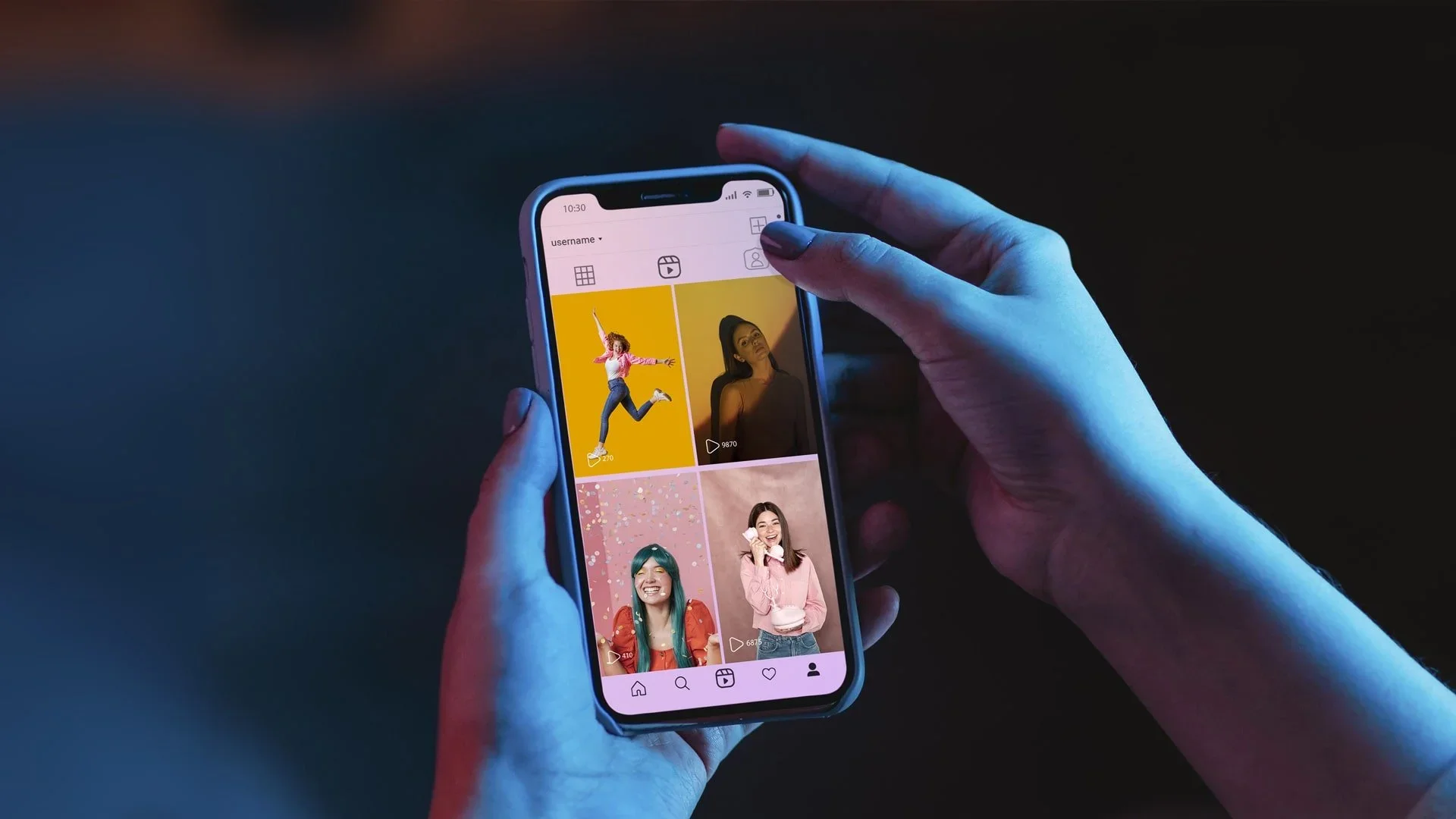
Scroll through any social feed today, and one thing becomes instantly clear: video is everywhere. From 10-second reels to long-form explainers, social media has undergone a quiet revolution, one where video is no longer an enhancement, but the default.
Instagram, TikTok, Facebook, YouTube, LinkedIn, all now prioritise video content above text, images, or links. But why did this happen? And what does it mean for brands trying to stay visible in an ever-evolving landscape?
This article explores how video became the dominant language of social media, and why brands can’t afford to ignore this shift.
The Rise of Video: From Supplement to Standard
Video content used to be optional, a premium add-on for brands with bigger budgets or creative teams. Today, it’s a baseline expectation. The change wasn’t sudden, but a combination of several overlapping trends:
Faster mobile internet made video streaming frictionless
Smarter algorithms learned that video holds attention longer
Creators popularised raw, authentic storytelling through video
User behaviour shifted toward swiping and tapping, not reading
Platform competition pushed each network to outperform the others in video engagement
This created a content environment where video became the easiest way to entertain, inform, and convert.
The Algorithm Favouritism Is Real
Let’s be blunt: the platforms want you to post video. Not because they like the format, but because video keeps users engaged longer, increasing ad revenue and dwell time.
Here’s what most platforms now prioritise:
Reels and Shorts (Instagram, Facebook, YouTube)
Stories and Live (Instagram, TikTok, LinkedIn)
Video carousels and autoplay clips (LinkedIn, Twitter/X)
Static posts get far less organic reach than even basic video clips. That’s not an accident: it’s the algorithm rewarding what works for the platform.
If you're not creating video, you're not just being overlooked, you're being actively deprioritised.
Video Matches How We Consume Now
Attention spans haven’t shrunk, they’ve become more selective. People can still binge a 10-part series or watch a 30-minute product review. But when it comes to social, we engage in micro-moments.
Video aligns perfectly with this:
Visual and auditory hooks grab attention in seconds
Movement draws the eye more than static imagery
Short form delivers value quickly
Sound and subtitles cater to different environments
Text-based content often asks too much of the user. Video shows before it asks.
Storytelling, Speed, and Authenticity
One of video’s greatest strengths on social media is that it compresses complexity. A 15-second clip can deliver emotion, product use, voice, and context, all in one scroll-stopping frame.
That makes it ideal for:
Product launches
Behind-the-scenes insights
Explainers and how-tos
Founder stories
Customer testimonials
User-generated content
And crucially, modern audiences prefer real over perfect. Unpolished, authentic content often outperforms overproduced ads. Video humanises brands.
Why Brands Can’t Sit This Out
If your content strategy still leans heavily on static visuals, text posts, or long captions, you're increasingly speaking a language fewer people are listening to.
Social platforms are shaping the rules, and right now, the rule is:
Show it. Don’t just say it.
This doesn’t mean every brand needs a film crew. But it does mean:
Thinking in terms of motion-first design
Repurposing content into video format
Using subtitles, vertical framing, and direct language
Creating for platform-specific behaviour (a TikTok is not a LinkedIn post)
Being consistent. Algorithms reward frequency and recency
It’s Not About Video, It’s About Visibility
Social media didn’t become video-first by accident. It became video-first because video works, for engagement, retention, storytelling, and conversion.
If your brand isn’t adapting to that reality, you're not just missing out on reach. You're fading into silence on platforms where visibility is everything.
At Horizium, we help brands stay ahead of these shifts, combining visual storytelling, strategy, and design to ensure your message isn’t just seen, but remembered.