Website Builder vs Web Design Agency, What Is the Difference?
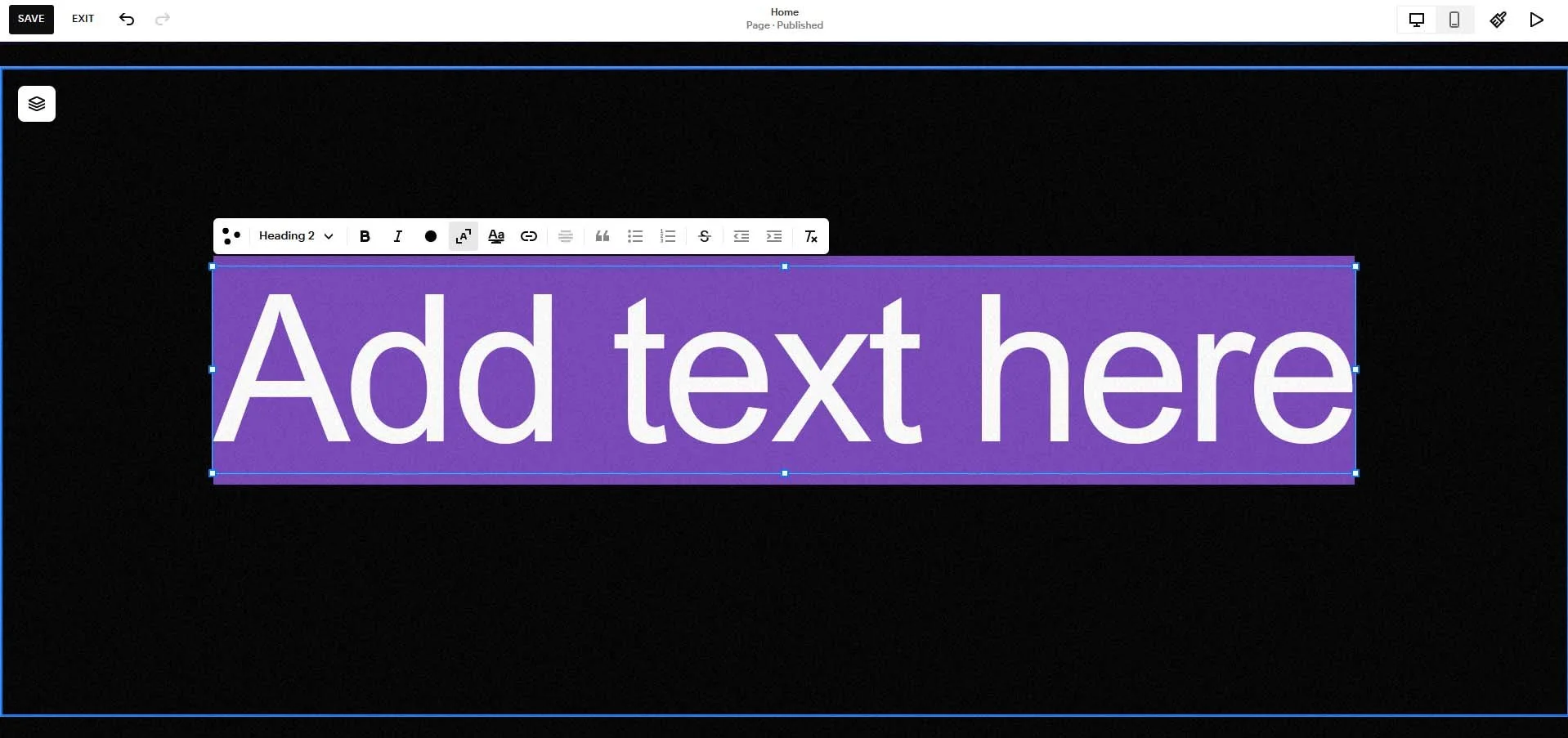
The difference between a website builder and a web design agency is not simply about cost or convenience. It is about what the website is expected to achieve for the business long term.
A website builder is designed to help businesses launch websites quickly using templates, simplified editing systems, and pre-built functionality. A web design agency approaches the website differently, building it around branding, structure, user experience, SEO foundations, conversion goals, and long-term commercial performance.
But there is also a third approach sitting between the two.
Many modern agencies now use CMS platforms and website builders such as WordPress, Elementor, Webflow, Shopify, or Squarespace as technical foundations while applying custom strategy, design systems, SEO structure, UX thinking, branding, and advanced customisation on top. In that model, the platform provides the infrastructure while the agency shapes how the website actually performs commercially.
That distinction matters because many businesses still assume “website builder” automatically means DIY, while “agency” automatically means expensive fully custom development.
In reality, the line between them has become much more flexible.
Key Takeaways
Website builders prioritise speed, accessibility, and convenience, while web design agencies focus more heavily on branding, SEO structure, conversion strategy, scalability, and long-term commercial performance.
Many modern agencies now use platforms such as WordPress, Webflow, Shopify, and Squarespace as technical foundations while applying custom UX structure, messaging, branding, SEO architecture, and strategic positioning on top.
The biggest difference between DIY builder websites and agency-led websites is usually not visual quality alone, but how intentionally the website is structured around user behaviour, discoverability, and business goals.
Website builders can work extremely well for simple or early-stage websites, but businesses focused on SEO visibility, lead generation, branding, and long-term growth often eventually require a more strategically structured approach.
What a Website Builder Actually Is
A website builder is a platform designed to simplify website creation.
Tools such as WordPress, Wix, Shopify, Webflow, and similar systems provide templates, drag-and-drop editing, hosting, and built-in functionality so businesses can launch websites without requiring deep technical knowledge.
The biggest advantage is speed.
A business can register a domain, choose a layout, upload content, and publish a website relatively quickly without relying heavily on developers or designers. For startups, local businesses, side projects, or temporary landing pages, this can often be completely reasonable.
Website builders are also more accessible financially.
The upfront investment is usually lower because the business handles much of the setup internally rather than paying for strategy, UX planning, SEO architecture, conversion optimisation, or custom development work.
This is one of the reasons builders remain extremely popular.
They reduce friction around getting online.
The Limitations Businesses Usually Discover Later
The challenge is that website builders are designed around accessibility and convenience first, not necessarily strategic depth or long-term scalability.
At first, this may not feel limiting.
The website launches, the business has an online presence, and everything appears functional. But as the company grows, the structural gaps underneath the template system often become more noticeable.
The branding may start feeling generic because many businesses use similar layouts. SEO structure may become harder to scale properly. Conversion-focused changes may feel restrictive because the template controls too much of the design logic. Certain functionality may require workarounds or external tools that complicate the site over time.
This is usually the point where businesses realise they built a website for “being online” rather than building one for growth.
The issue is rarely that website builders are bad.
The issue is that they optimise for simplicity first.
What a Web Design Agency Actually Does
A web design agency approaches the website differently from the beginning.
Instead of starting with templates, the process usually starts with understanding the business itself. Positioning, customer behaviour, audience expectations, SEO structure, conversion pathways, messaging, and brand identity all influence how the website is planned before visual design even begins.
That changes the role of the website entirely.
The site stops functioning as a digital brochure and starts becoming part of the company’s commercial infrastructure. Every page exists for a reason rather than simply filling sections inside a layout template.
This is also why agency projects usually involve multiple disciplines together:
branding
UX design
SEO structure
messaging
content hierarchy
mobile experience
performance optimisation
conversion strategy
The website is treated as a connected system rather than an isolated visual project.
That process naturally takes longer and costs more initially.
But it often produces a much stronger long-term result because the structure underneath the website was built intentionally rather than assembled quickly.
The Hybrid Approach Most Businesses Do Not Realise Exists
This is where the industry changed significantly over the last few years.
Many agencies no longer build every project completely from scratch because modern platforms became far more capable technically. Instead, agencies often use CMS platforms and website builders as foundations while applying custom strategy, advanced layouts, SEO architecture, UX structure, branding systems, and tailored functionality on top.
In practice, this creates a hybrid approach.
The business still benefits from the usability and stability of the platform itself, while the agency shapes:
the conversion structure
SEO foundations
messaging hierarchy
navigation logic
branding direction
user experience
commercial positioning
around it.
This usually creates a much stronger outcome than simply launching a template alone.
The platform handles infrastructure efficiently, while the agency removes the generic feel that often makes builder-based websites underperform commercially.
This is also why some websites built on common CMS systems feel highly premium while others feel obviously template-driven.
The platform itself is rarely the deciding factor.
The structure, positioning, messaging, UX thinking, and execution around it are what create the difference.
Why Horizium Uses CMS Platforms as Foundations
At Horizium, CMS platforms and website builders are often used as foundations rather than limitations.
The goal is not simply selecting a template and adjusting colours. The platforms are treated more like technical frameworks that allow the website to remain manageable internally while still being strategically customised around branding, SEO, conversion structure, and user behaviour.
This includes platforms such as:
WordPress
Elementor
Webflow
Shopify
Squarespace
depending on the type of business and commercial requirements involved.
The advantage of this approach is flexibility.
Clients still gain the usability and editing accessibility modern CMS systems provide, but the website itself is customised significantly beyond what a typical DIY setup would normally achieve. Layout structures, navigation systems, branding presentation, SEO hierarchy, conversion flow, UX behaviour, and visual consistency are all planned strategically rather than relying purely on default platform logic.
That balance matters.
Many businesses want the ability to manage content internally after launch without depending on developers for every small update. At the same time, they still need the website to perform professionally from a branding, SEO, and conversion perspective.
Using modern CMS platforms strategically allows both things to exist together.
Why Agencies Usually Produce Stronger Commercial Results
The biggest difference between a builder-driven website and an agency-led website is rarely visual quality alone.
It is strategic alignment.
Many template websites already look modern visually. Some look excellent. But strong-looking websites still fail commercially because they were never structured properly around customer behaviour or business objectives.
Agencies usually produce stronger results because they focus on clarity before aesthetics.
Questions such as:
Who is the audience?
What should users understand immediately?
Which services matter commercially?
What pages should rank in search?
Where should conversions happen?
How should trust form digitally?
shape the structure long before animations or colours are discussed.
This also influences SEO significantly.
A builder allows businesses to create pages. An agency structures the website around discoverability, search intent, hierarchy, internal linking, and long-term scalability from the beginning.
That difference becomes far more visible over time.
Why “Good Enough” Often Stops Working Later
One reason website builders remain popular is because “good enough” often feels acceptable initially.
For early-stage businesses, simply having a clean online presence already feels like progress compared to having no website at all.
And sometimes that genuinely is enough.
If the business operates mainly through referrals, networking, or social media, the website may only need to provide basic credibility and contact information.
The problems usually appear later.
Once the business wants:
stronger SEO visibility
clearer positioning
higher conversion rates
more authority
stronger branding
better scalability
the original setup often starts exposing structural limitations underneath it.
This is why many businesses eventually move from DIY systems to agency-led solutions later rather than staying within the same setup permanently.
The website that supports one stage of growth may not support the next stage properly.
When a Website Builder Makes Sense
There are many situations where using a builder makes complete sense.
A simple brochure website, temporary landing page, portfolio site, side project, or early-stage startup with limited budget can all benefit from the speed and accessibility builders provide.
If the priorities are:
launching quickly
keeping costs low
maintaining the site internally
creating a simple online presence
avoiding advanced functionality
then a builder may be entirely sufficient.
The mistake is not using a builder.
The mistake is assuming a builder-driven website will automatically compete long term with strategically structured websites without eventually investing further into branding, SEO, UX, and positioning.
When an Agency Becomes the Better Option
An agency usually becomes the stronger option once the website starts influencing commercial growth directly.
This often happens when the business depends heavily on:
SEO visibility
lead generation
conversion optimisation
stronger branding
scalability
user journeys
competitive positioning
At that stage, the website stops functioning as a simple online presence and becomes part of how the company competes commercially.
That changes the importance of structure dramatically.
The website now needs to communicate clearly, rank properly, support campaigns, convert traffic, and maintain consistency across the broader brand itself.
Convenience becomes less important than strategic alignment.
The Mistake Many Businesses Make
Many businesses compare website builders and
agencies purely through cost.
That comparison is usually incomplete because both approaches solve different problems.
A website builder helps businesses launch websites quickly.
An agency helps businesses structure websites strategically around branding, discoverability, trust, user behaviour, and long-term commercial performance.
The hybrid approach combines both, using modern platforms efficiently while still shaping the website around SEO, UX, branding, and conversion goals rather than relying purely on templates.
Those are very different outcomes.
This is why some businesses spend very little initially, then later spend significantly more rebuilding the website once growth exposes the structural limitations underneath it.
The original website was not necessarily wrong.
It was simply built for a different stage of the business.
Frequently Asked Questions
-
Yes. A properly structured Squarespace website can perform strongly in search results when SEO, content hierarchy, internal linking, and page intent are planned correctly from the beginning.
-
Usually because they rely heavily on templates without strategic customisation. When branding, messaging, layout structure, and user experience are not tailored properly, the site starts looking similar to many others using the same platform.
-
Not necessarily. Fully custom websites offer more flexibility technically, but many businesses do not need that level of complexity. In many cases, a strategically built Squarespace or Shopify website can achieve better long-term usability and lower maintenance overhead.
-
Because modern platforms already solve many technical infrastructure problems efficiently. This allows agencies to focus more on branding, SEO, user experience, conversion, and strategy instead of rebuilding standard functionality unnecessarily.
-
Yes, and this is one of the reasons many agencies now use platforms like Squarespace. Clients can update text, images, blogs, and sections internally without needing developer support for every small change.
-
Usually when the website starts affecting growth directly. If the business depends on SEO, lead generation, stronger branding, conversion optimisation, or scaling visibility, strategic structure becomes significantly more important.
-
It depends on the role of the website. If the site only needs to provide a simple online presence, a builder may be enough. If the website needs to generate enquiries, support marketing, and position the business competitively, agency input usually creates stronger long-term value.
The Real Question Businesses Should Ask
The better question is not “Which is better?”
The better question is “What does the website actually need to do?”
If the goal is simply creating a lightweight online presence quickly and affordably, a builder can work extremely well.
If the website needs to support SEO, positioning, branding, conversion, long-term growth, and commercial visibility, the structure behind it becomes far more important. That is where agencies usually create significantly stronger outcomes because the website is being built around business strategy rather than template convenience.
For many businesses, the strongest balance now sits somewhere in the middle, using platforms such as Squarespace alongside strategic agency input to create websites that are flexible, scalable, easier to maintain, and commercially structured properly from the beginning.
This is exactly how websites are approached at Horizium. Platforms like Squarespace are not treated as shortcuts, but as flexible foundations that can be shaped around branding, SEO, messaging, conversion structure, and long-term visibility goals.
For businesses across London, Essex, and the wider South East, this often means identifying whether the current website is still supporting the stage the business has reached, or whether the structure underneath it is beginning to limit growth.
If your current website feels visually acceptable but commercially limited, get in touch - Horizium can help review whether the issue sits in branding, SEO, structure, conversion, or the platform itself before a larger rebuild becomes necessary.