Why X Posts No Longer Appear Publicly, and What It Means for SEO
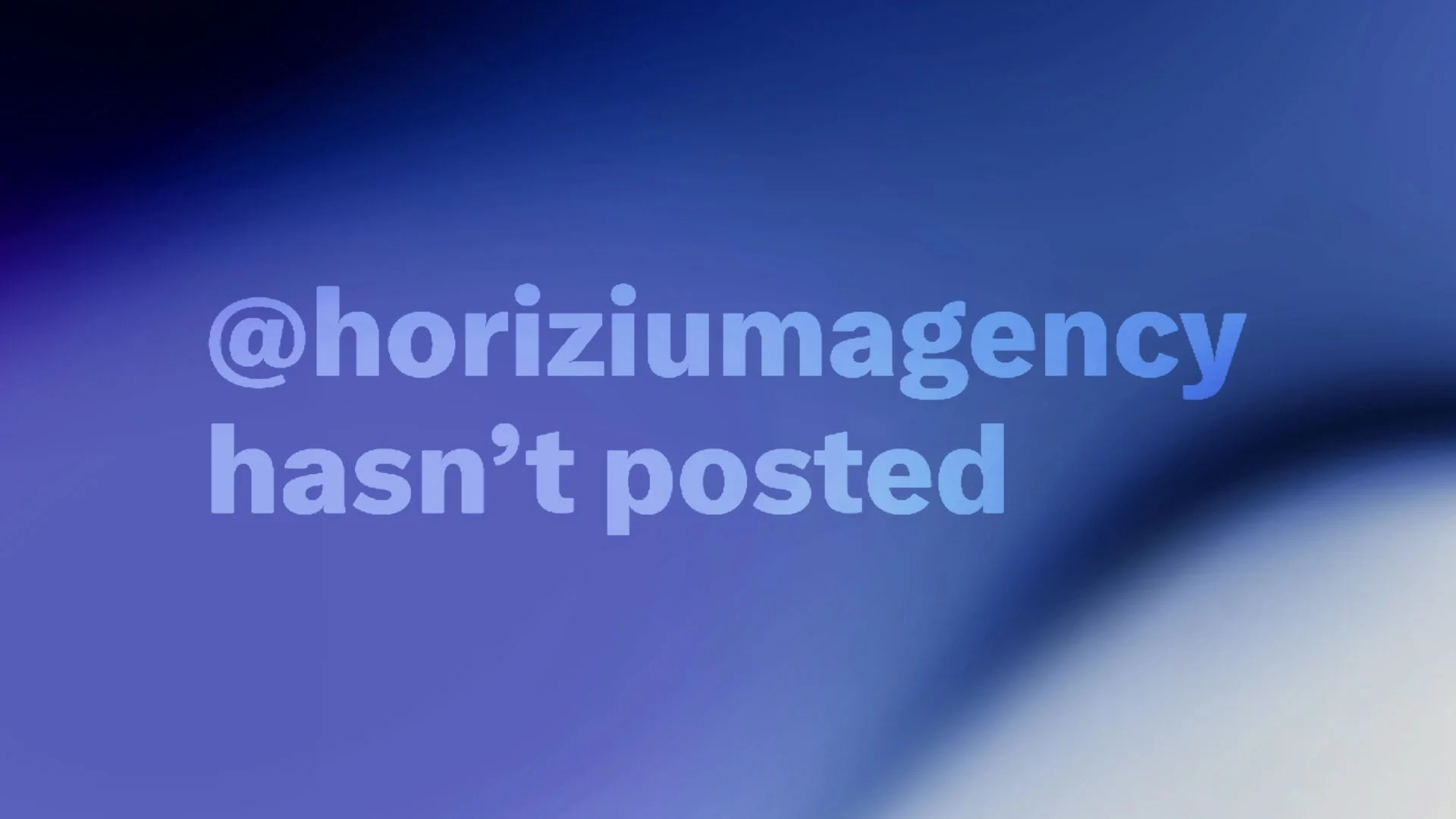
Many users recently started noticing the same issue on X.
When viewing profiles while logged out, posts often appear missing, timelines look empty, or only a limited number of posts are visible publicly. In many cases, people assume this is a technical problem, a shadow ban, or an issue with their account itself.
In reality, much of this behaviour is now intentional platform design.
X has publicly confirmed that logged-out timelines are restricted and that only selected posts from certain accounts may appear publicly outside the platform. This means posts can still technically be public while being significantly less visible to people who are not logged into the platform directly.
That distinction matters because visibility and accessibility are no longer the same thing.
Key Takeaways
X posts can still appear publicly and contribute to branded visibility, but logged-out access, indexing reliability, and external discoverability are now significantly more restricted than they were previously.
Social media visibility and search visibility are increasingly separate systems, with strong platform engagement no longer guaranteeing meaningful long-term SEO performance or discoverability in search engines.
Businesses are placing greater importance on owned digital assets such as websites, long-form articles, and structured knowledge content because platforms and algorithms can change visibility overnight.
The strongest long-term visibility strategies now combine website content, search structure, social distribution, topical authority, and branding together rather than relying heavily on social platforms alone.
Are X Posts Still Useful for SEO?
Yes, but not in the same way they once were.
Public posts can still appear in search engines, contribute to branded visibility, and help reinforce authority around certain topics. However, indexing and discoverability are now far less predictable than they used to be.
Historically, posts from platforms like X circulated heavily through Google results and acted almost like an additional public search layer of the internet. Today, platform restrictions, crawl limitations, algorithmic filtering, and changes in how social content is surfaced externally all reduce that reliability significantly.
This means businesses should no longer treat social platforms as dependable long-term SEO assets in the same way as properly structured website content.
Social Media and SEO Are Becoming Increasingly Separate
For years, businesses often assumed that strong social activity directly translated into stronger SEO performance.
That assumption was never entirely accurate, but in 2026 the gap between social visibility and search visibility is becoming even more noticeable.
A post can perform extremely well inside a social platform while generating almost no meaningful search discoverability externally. Likewise, businesses with relatively small social audiences can still dominate organic search through strong website structure, topical authority, and consistent long-form content.
Social media and SEO still influence each other indirectly, but they now operate far more independently than many businesses realise.
Social platforms primarily optimise for engagement inside the platform itself. Search engines optimise for long-term discoverability, relevance, and information structure. Those goals increasingly move in different directions.
What Social Media Still Helps With
Social media still plays an important role in digital visibility overall.
Strong social activity can support:
brand awareness
authority signals
referral traffic
audience familiarity
content distribution
trust reinforcement
branded search demand
This matters because search engines increasingly pay attention to overall brand presence across the internet rather than only isolated ranking factors.
Businesses with strong brand identity recognition often perform better organically over time because users search for them directly, reference them more frequently, and engage with their content more consistently across different channels.
However, social media now functions better as an amplification layer rather than the foundation of long-term discoverability itself.
Why Owned Content Matters More in 2026
One of the biggest shifts happening online is the growing importance of owned digital assets.
Social platforms change constantly. Algorithms evolve, visibility fluctuates, and reach can disappear almost overnight depending on platform decisions businesses cannot control.
A properly structured website behaves differently.
Strong website content can continue generating visibility for years through search, internal linking, topical authority, and answer-focused structure. Businesses fully control that ecosystem rather than depending entirely on platform algorithms.
This is why many businesses are now shifting more focus towards:
knowledge-based content
long-form articles
topical authority
search-focused website structure
answer-driven content
evergreen visibility systems
rather than relying mainly on social posting alone.
The businesses building the strongest long-term visibility are usually the ones combining both approaches together rather than depending heavily on one platform.
The Bigger Shift Happening Online
The internet itself is becoming more platform-controlled and less openly discoverable than it once was.
Social platforms increasingly prioritise keeping users inside their ecosystems. Search engines increasingly provide direct answers instead of sending traffic outward consistently. AI systems summarise information rather than simply listing websites.
That means businesses need to think differently about visibility overall.
The goal of any digital marketing strategy is no longer simply producing content and hoping platforms distribute it widely forever. The goal is building a connected visibility system where:
website content
search visibility
social distribution
brand authority
customer trust
topical expertise
all reinforce each other together.
This is why businesses relying entirely on social reach often struggle with long-term consistency. They are building visibility on infrastructure they do not control.
What Businesses Should Focus On Instead
Social media still matters enormously for awareness, authority, and distribution. But it should no longer be viewed as a dependable long-term SEO strategy on its own.
The strongest approach in 2026 is usually a combination of:
strong owned website content
structured knowledge articles
search visibility
strategic social distribution
clear branding
topical authority
consistent digital presence
working together as one system.
At Horizium, this is why digital visibility is approached holistically rather than through isolated channels alone. Websites, content structure, branding, discoverability, and social distribution all support each other because long-term visibility increasingly depends on building assets businesses actually control rather than relying entirely on platform algorithms that can change overnight.
If your current visibility strategy relies heavily on social platforms rather than owned content, Horizium can help identify where the gaps are and build a more stable long-term foundation.