What Really Are Brand Experiences?
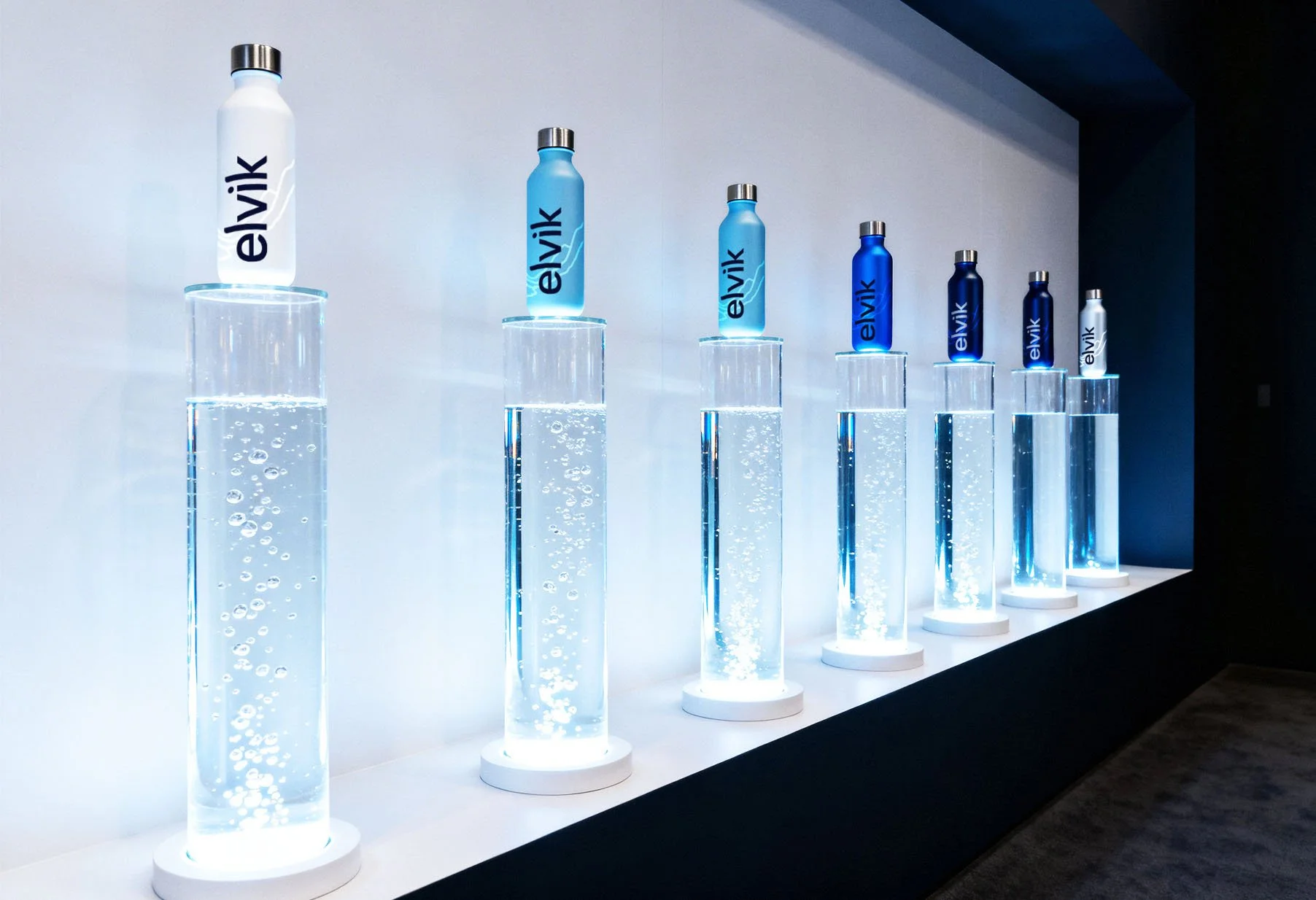
Brand experiences are the overall impressions people form about your business through every interaction they have with it, not just through visuals alone. They are built across websites, messaging, customer service, digital visibility, interiors, signage, social content, packaging, communication style, and the way the business feels consistently over time.
Most businesses still think branding is mainly about appearance. In reality, appearance is only one layer of a much larger system. A strong logo or modern website can help attract attention, but the actual brand experience is formed through how all the touchpoints work together once somebody starts interacting with the business more deeply.
Key Takeaways
Brand experiences are formed through every interaction people have with a business, including websites, messaging, customer service, digital visibility, interiors, social content, and communication consistency over time.
Strong branding and strong brand experiences are not the same thing, because visually attractive assets alone do not guarantee that the overall customer journey will feel clear, trustworthy, or aligned.
Modern businesses are experienced across multiple digital and physical touchpoints simultaneously, making consistency, clarity, and reduced friction increasingly important for trust and recognition.
Businesses that treat branding, websites, messaging, visibility, and customer perception as one connected system usually create stronger long-term brand experiences than businesses approaching each touchpoint separately.
Brand Experience Is Built Through Repetition
One of the biggest misconceptions is that brand experience comes from one memorable moment or campaign. In reality, it is cumulative and shaped gradually through repeated exposure across different environments and platforms.
People form opinions through patterns. They notice whether the website feels aligned with the social content, whether the communication style matches the positioning, whether the physical environment supports the same tone as the digital presence, and whether the business feels consistent from one interaction to the next.
This is why businesses can still feel fragmented even when individual elements look professionally made. The issue is rarely one isolated touchpoint. It is usually the lack of connection between them.
A business may have a premium-looking website but slow communication, inconsistent messaging, confusing navigation, weak customer experience, or disconnected visuals across different platforms. Individually, none of those problems may seem severe. Together, however, they shape an overall impression that feels unclear and less trustworthy.
That overall impression becomes the real brand experience.
Branding and Brand Experience Are Not the Same Thing
Branding is what the business creates intentionally. Brand experience is how people actually experience it in practice.
That distinction matters because businesses often assume their intended perception automatically matches reality. A company may position itself internally as modern, premium, or highly professional, but if the customer journey creates friction or the communication feels inconsistent, the external experience communicates something entirely different.
Customers also do not separate branding into categories internally. They do not consciously analyse the logo separately from the website or the social content separately from the customer service. Instead, they experience everything together at once.
That combined impression is what people remember.
This is why businesses are often judged far more holistically than they realise. The strongest brands are usually not the ones with the most creative individual assets. They are the ones where every interaction reinforces the same perception consistently.
Modern Businesses Are Experienced Everywhere at Once
Years ago, branding was often more localised and linear. Businesses relied heavily on physical presence, printed materials, or word of mouth to shape reputation.
Today, most businesses are encountered digitally first long before physical interaction happens. People discover brands through search results, websites, social content, online reviews, digital advertising, recommendations, and mobile experiences before they ever enter a physical environment or speak directly with the business.
That changes how trust is formed completely.
A customer may discover the business through Google, visit the website, compare competitors, check Instagram, read reviews, receive an email response, and only then decide whether to enquire. Every one of those interactions contributes to the same overall perception.
This is why businesses with strong brand experiences often feel clearer and more trustworthy even when their branding itself is relatively simple visually. The consistency between touchpoints reduces friction and helps people understand the business quickly.
Customers do not need to constantly reinterpret who the company is because every layer reinforces the same direction repeatedly.
A Real Example of Brand Experience
Imagine two coffee brands operating in the same city.
The first has a visually attractive logo and a modern interior design. However, the website loads slowly, the menu is difficult to navigate online, the social content feels inconsistent, and Google reviews repeatedly mention poor customer service.
The second brand may actually look simpler visually, but the website feels clear and easy to use, the messaging stays consistent, the packaging matches the physical environment, and the communication feels intentional from one touchpoint to the next.
The second brand usually creates the stronger overall experience even if the logo itself is less visually impressive.
That is because customers remember how the business felt overall rather than analysing isolated design assets separately. The experience itself becomes the differentiator.
This is where many businesses misunderstand branding completely. They focus heavily on creating individual assets while overlooking the consistency of the overall experience those assets contribute towards.
Why Many Businesses Still Approach Branding Incorrectly
A large number of businesses still approach branding as a collection of disconnected deliverables. A logo, a website, some social graphics, a sign, and a campaign are often treated as separate projects rather than parts of one connected system.
Customers do not experience businesses in disconnected pieces. They experience the business as one continuous impression built through multiple interactions over time.
This is why businesses often feel inconsistent even when individual outputs look professionally designed. The issue is not necessarily quality. The issue is that the touchpoints were never structured to reinforce each other strategically.
Over time, that inconsistency weakens memorability and trust significantly. The business may still appear visually acceptable, but it becomes harder for customers to understand clearly, remember consistently, or emotionally connect with.
Strong brand experiences happen when every layer supports the same perception repeatedly.
What Actually Creates Strong Brand Experiences
Strong brand experiences are usually built around clarity, consistency, recognisability, trust, and reduced friction. Importantly, they are not built purely through aesthetics alone.
Some highly creative brands still create weak experiences because the customer journey underneath the visuals feels confusing or disconnected. Meanwhile, some visually simpler businesses create excellent brand experiences because everything feels aligned and easy to understand.
The experience itself matters more than isolated creative moments. Customers rarely remember every design detail individually, but they remember whether interacting with the business felt smooth, trustworthy, clear, and consistent overall.
That consistency compounds over time.
It affects how easily people remember the brand, how much they trust it, how likely they are to recommend it, and whether they choose it again later. Strong brand experiences reduce uncertainty and make businesses easier to understand and easier to choose.
Why Horizium Uses the Phrase “Shaping Brand Experiences”
This is exactly why Horizium uses the phrase “Shaping Brand Experiences” rather than positioning itself around only one discipline. Modern businesses are no longer experienced through isolated outputs because customers move constantly between digital and physical touchpoints.
A website affects trust. Messaging affects perception. Online visibility affects discoverability. Interiors affect emotional response. Visual identity affects recognition. Communication affects credibility.
All of those layers combine into one overall experience of the business.
That is why branding today is less about producing isolated visuals and more about creating systems where every touchpoint reinforces the same direction clearly and consistently over time.
At Horizium, branding is approached as more than visual execution alone. Websites, messaging, digital growth strategies, physical environments, and customer perception are treated as connected parts of the same experience because that is how modern businesses are actually encountered.
If your brand currently feels fragmented across those touchpoints, Horizium can help identify where the disconnect is happening and structure a clearer, more consistent direction moving forward.
Frequently Asked Questions
-
A brand experience is the overall impression people form about your business through every interaction they have with it. This includes your website, communication, customer service, visuals, social presence, physical environment, and how consistent everything feels together over time.
-
No. Branding is what a business creates intentionally through visuals, messaging, and positioning. Brand experience is how customers actually experience those elements in practice across real interactions.
-
Because customers interact with businesses across multiple platforms before making decisions. Websites, reviews, social content, emails, and physical environments all contribute to trust and perception long before direct contact happens.
-
Yes. A business may have strong visuals or a modern website but still create a poor overall experience through inconsistent communication, confusing customer journeys, weak service, or disconnected messaging.
-
Strong brand experiences are usually built through consistency, clarity, trust, and alignment across every touchpoint. The goal is to make the business feel connected and easy to understand regardless of where customers encounter it.
-
Yes. Businesses that feel consistent and trustworthy tend to convert more effectively because customers feel more confident engaging with them. Strong experiences also increase memorability and long-term loyalty.
-
Websites are often the first major interaction customers have with a business. Structure, messaging, usability, speed, tone of voice, and overall clarity all influence how the brand is perceived immediately.