

Insights
Featured
insights
Browse topics
Why SEO Leads Do Not Always Turn Into Customers
Excerpt:
Brand experiences are shaped through every interaction people have with your business, from websites and messaging to interiors and customer experience. Discover why consistency across all touchpoints matters more than visuals alone.
Google’s New AI Search Guide Explains Where SEO Is Actually Going
Google’s latest AI search guidance reveals where SEO is actually heading. Discover how AI-driven search is changing visibility, why useful content matters more than ever, and what businesses should focus on as GEO and traditional SEO continue merging together.
Website Builder vs Web Design Agency, What Is the Difference?
Discover the real difference between website builders and web design agencies, and why strategy, UX, branding, and SEO structure matter far beyond simply launching a website.
Why X Posts No Longer Appear Publicly, and What It Means for SEO
X posts are becoming harder to discover publicly, but the bigger story is what this reveals about social media, SEO, and digital visibility in 2026. As platforms prioritise closed ecosystems and algorithmic engagement, businesses are increasingly relying on owned website content and long-term discoverability instead of social reach alone.

What Really Are Brand Experiences?
Brand experiences are shaped through every interaction customers have with your business, from websites and messaging to customer service and physical environments. This guide explains how consistent touchpoints build trust, recognition, and stronger long-term perception.
Questions You Should Ask Before Hiring a Web Design Agency
Hiring a web agency is less about choosing the best-looking portfolio and more about understanding how the project is structured. This guide covers the key questions that reveal whether an agency can deliver a website that performs, scales, and supports your business long term.
When Should You Trademark Your Business Name (and Why)
Trademarking your business name in the UK is not legally required, but once your name is stable and tied to real growth, it becomes essential for protecting the value you are building into your brand.
The Complete Guide to Building a Brand for Your UK Business: 2026 Review
Building a brand often starts in the wrong place, focusing on visuals before defining direction. When foundations, tone, identity, and website are aligned properly, the brand becomes a system that drives clarity, trust, and consistent enquiries.
Why 80% of Your Website Traffic Comes From 20% of Your Pages
If you’ve checked your analytics and most traffic comes from a handful of pages, that’s normal. The real insight is understanding why those pages perform and how to expand around them to drive more consistent growth.
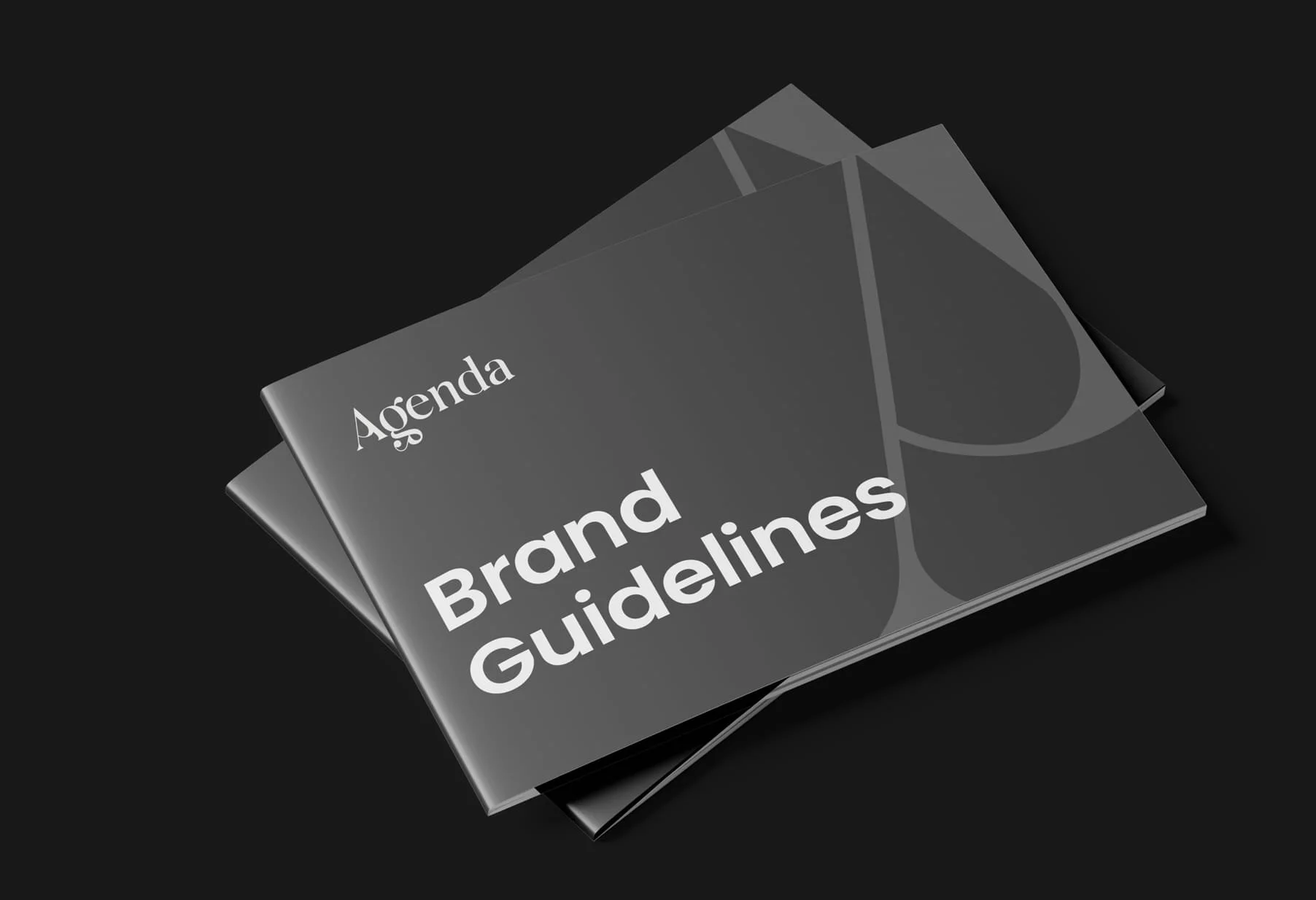
What Is Included in Brand Guidelines and Do You Really Need Them?
Most businesses have a brand, but without structure it quickly becomes inconsistent as more people and platforms get involved. Brand guidelines create that structure, ensuring your brand stays clear, aligned, and recognisable as it grows.
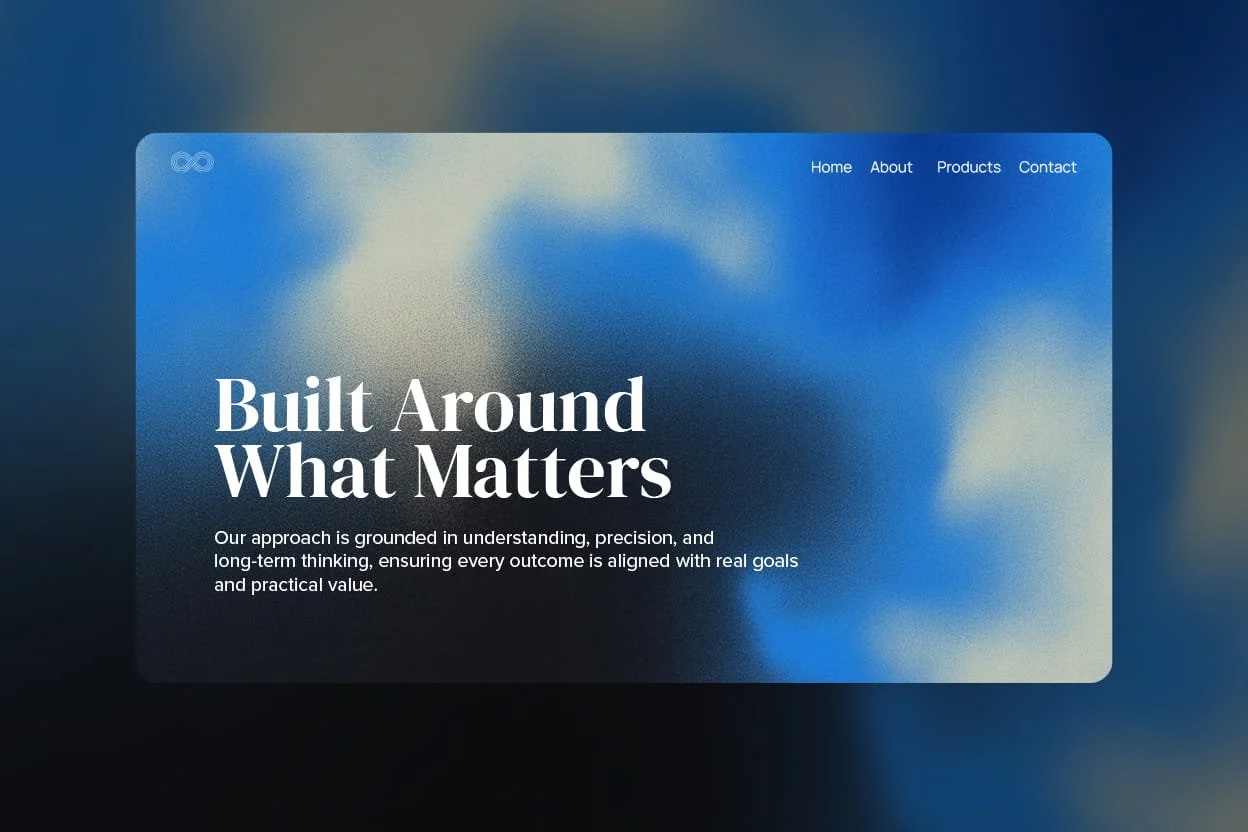
The Complete Guide to Getting Your Small Business Found Online in the UK: 2026 Review
Getting found online in the UK is no longer about one channel. It’s about aligning your Google Business Profile, local SEO, website performance, and content so visibility becomes consistent rather than unpredictable.
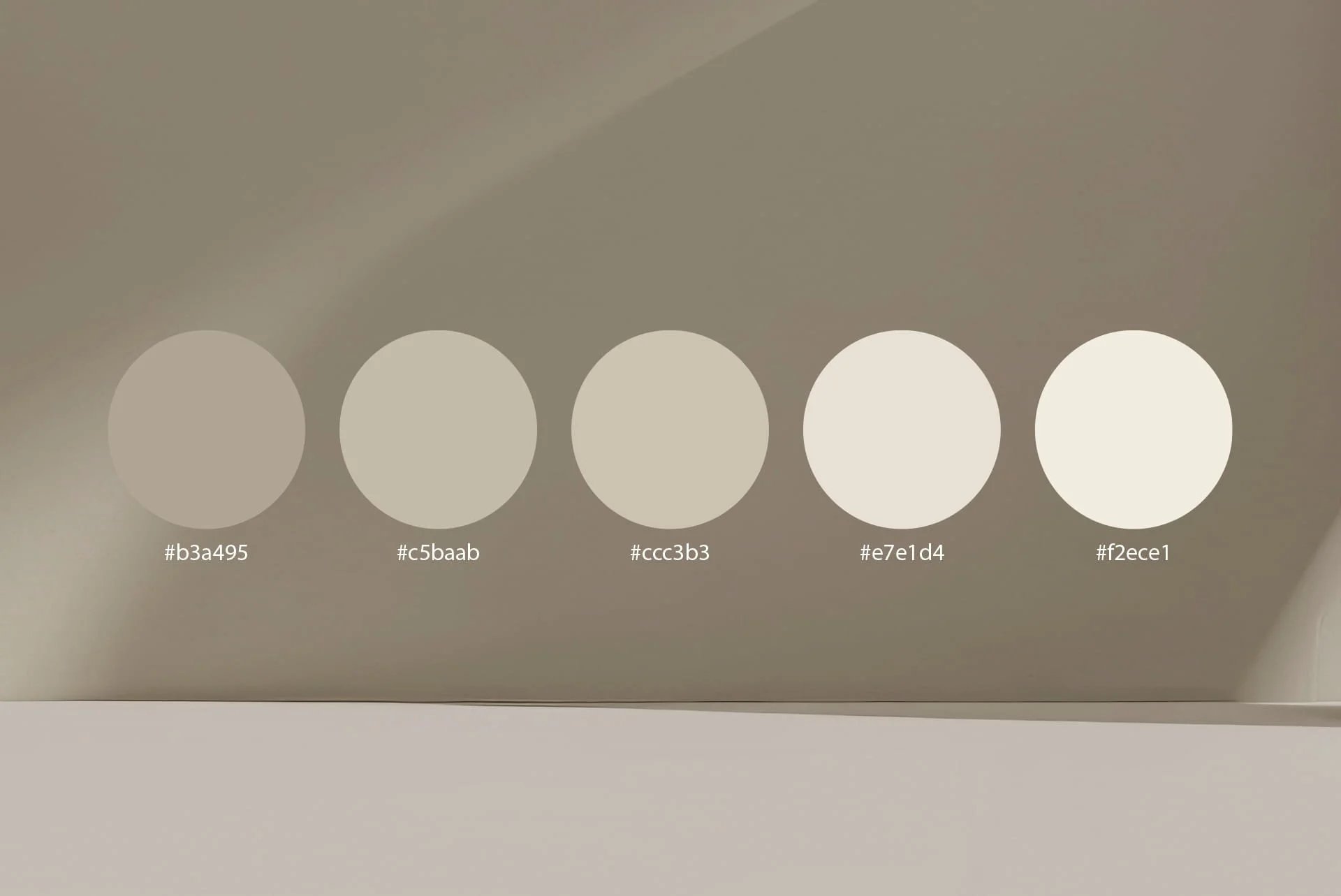
How to Choose the Right Colours for Your Brand
Choosing brand colours isn’t about preference, it’s about what your brand needs to communicate and how consistently it can be applied. A structured palette ensures clarity, recognition, and usability across every touchpoint.

Why Your Competitor Ranks Higher Than You
If a competitor keeps ranking above you, it usually means their overall SEO signal is stronger across several areas. Content depth, authority, technical performance, intent, and local signals all work together to keep them ahead.
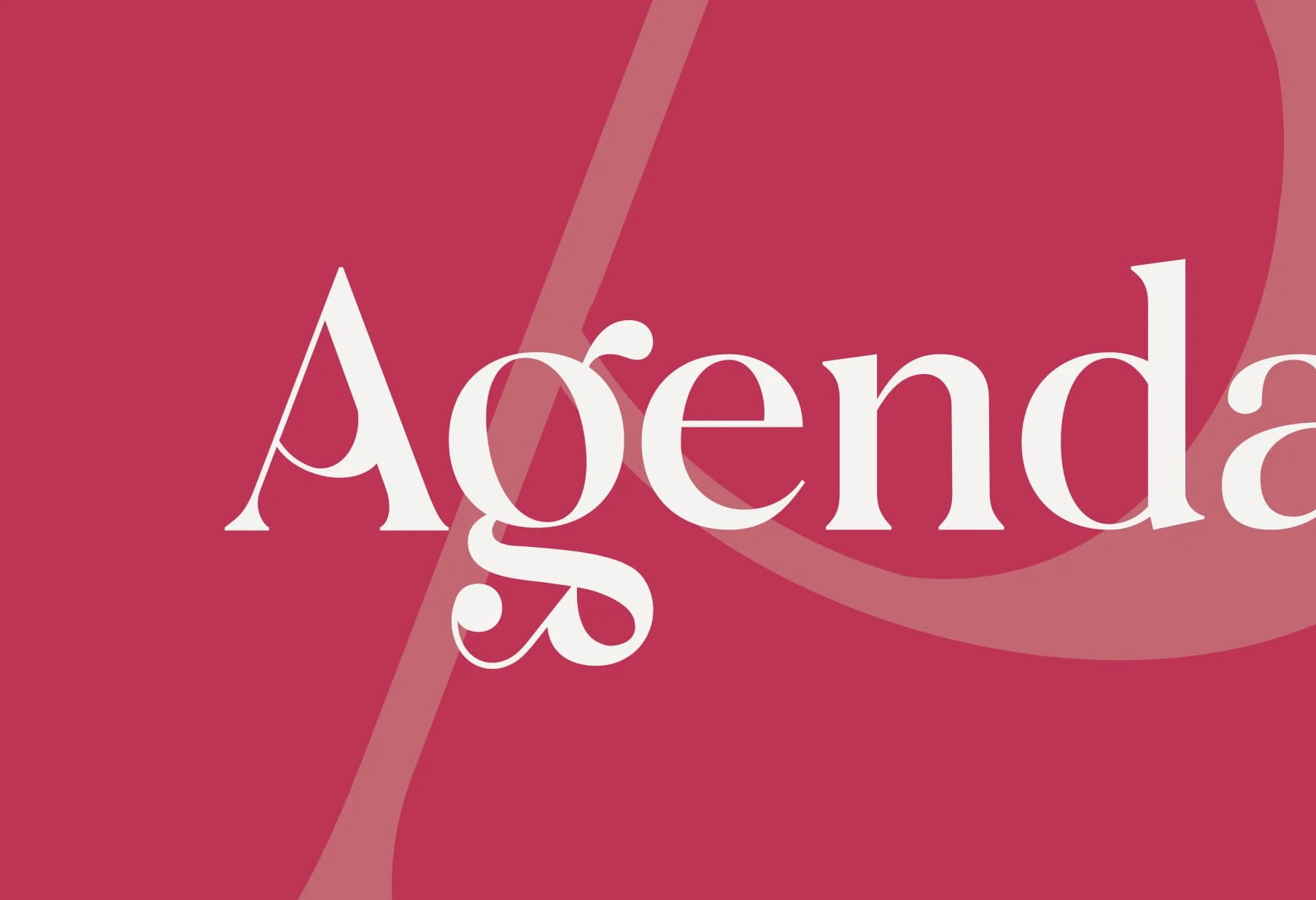
How Typography Shapes the Way People Perceive Your Brand
Typography is often treated as a finishing touch, but it shapes perception before a single word is read. When structured properly, it reinforces clarity, trust, and consistency across every touchpoint.
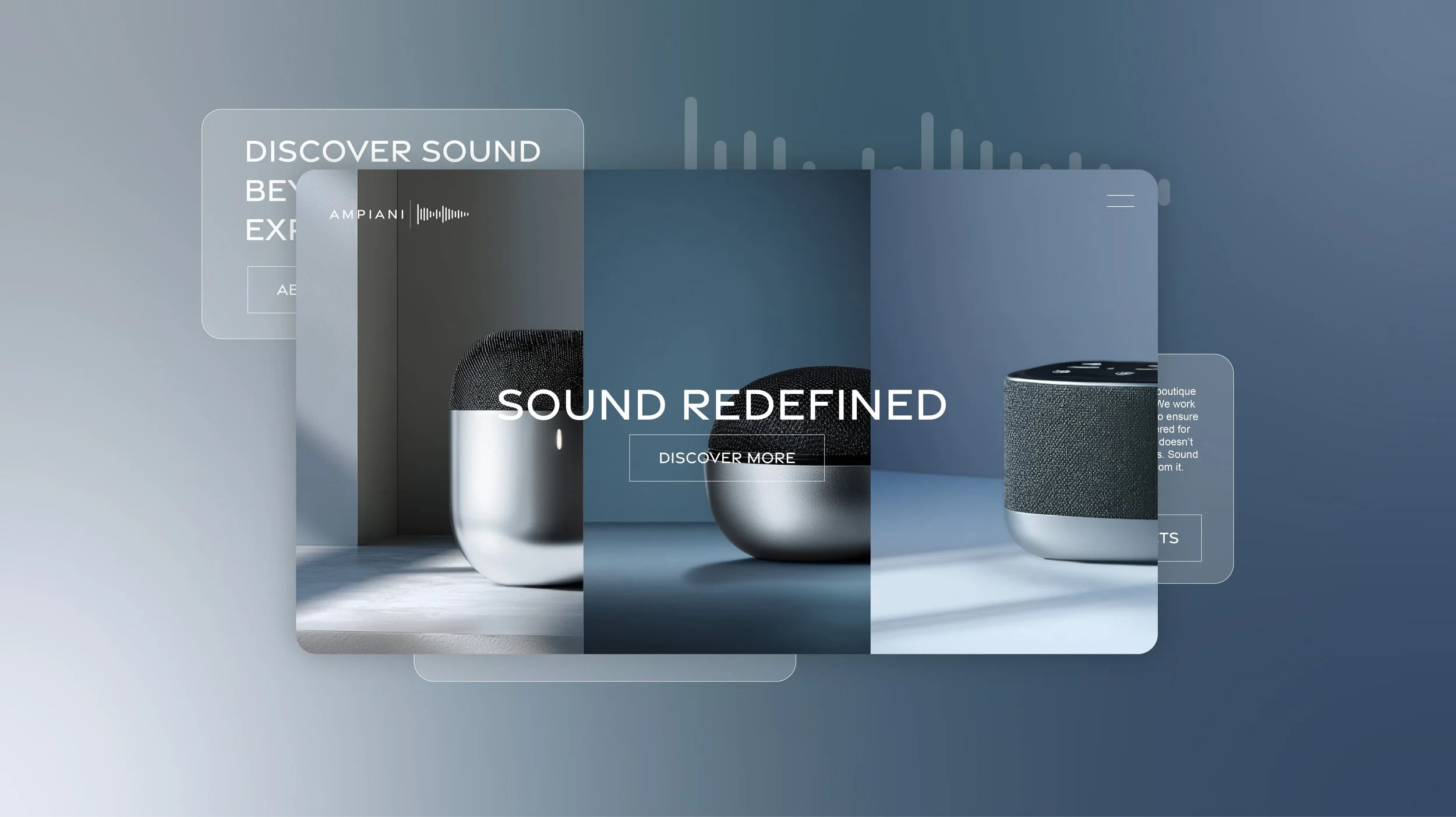
Why Your Website Gets Traffic But No Enquiries
Getting traffic can look like progress, but without conversion it leads nowhere. The issue is usually not visibility, it’s a lack of clarity, direction, and trust once visitors land on the page.
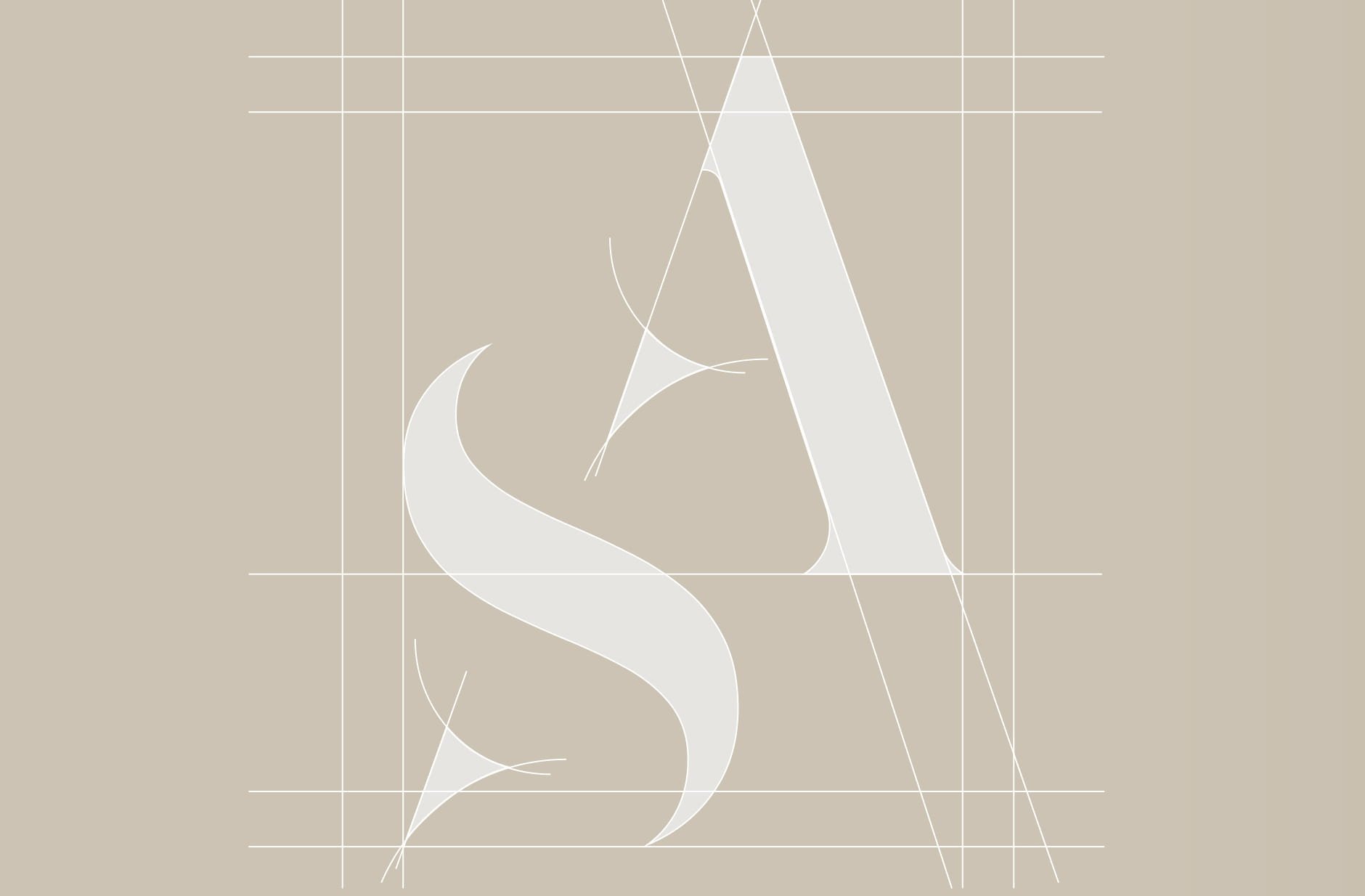
How Much Does a Rebrand Cost in the UK in 2026?
Spend a bit of time exploring rebranding and the pricing quickly feels inconsistent, until you understand what each project is actually trying to change. The cost comes down to whether the work is surface-level or focused on reshaping how the business is perceived.
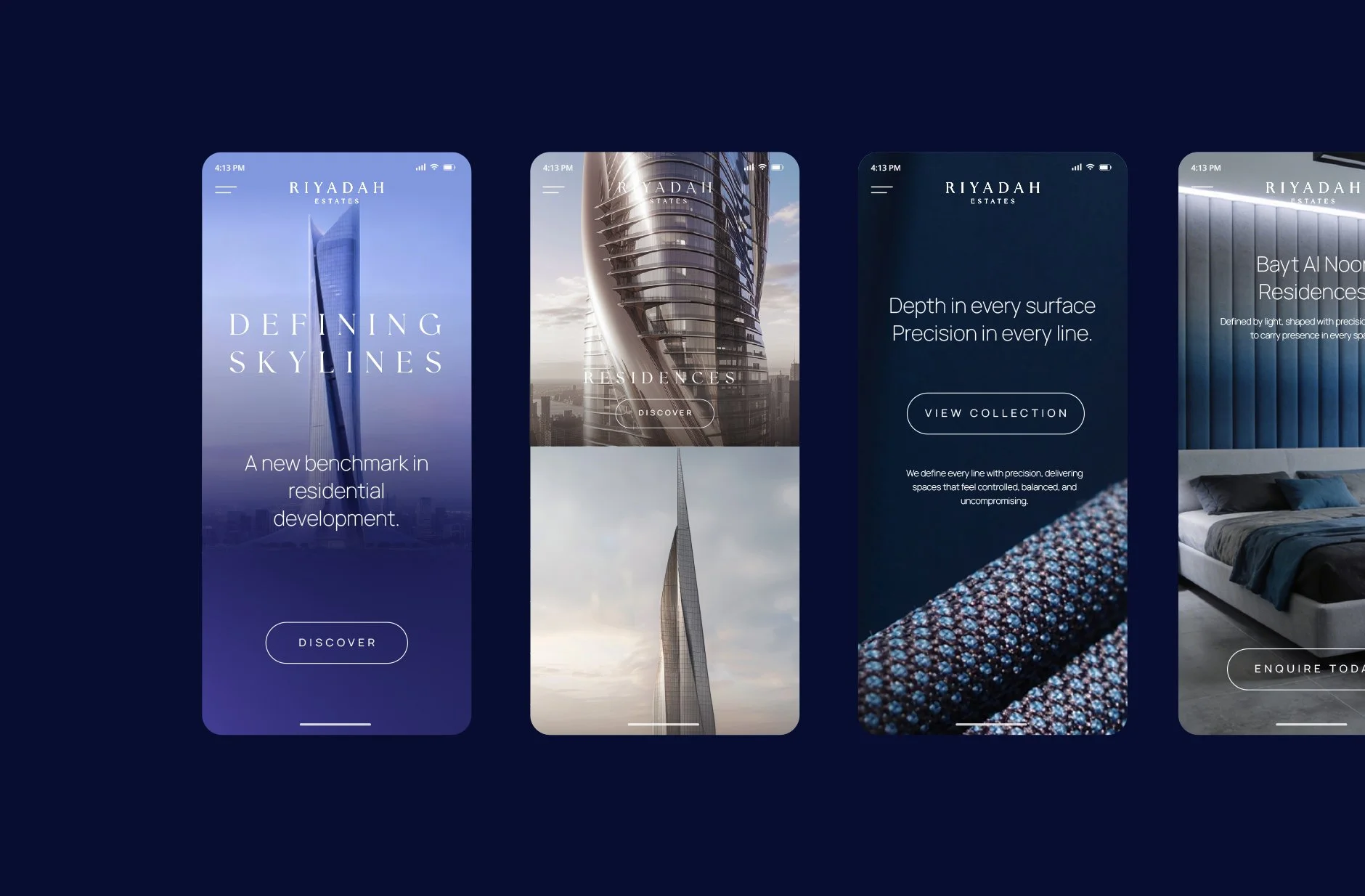
Why London Startups Are Investing in UX Earlier Than Ever
There’s been a clear shift in how London startups approach product development, with UX now introduced from the earliest stages. It’s no longer a design layer, it’s a growth driver that improves retention, reduces risk, and shapes how products perform.
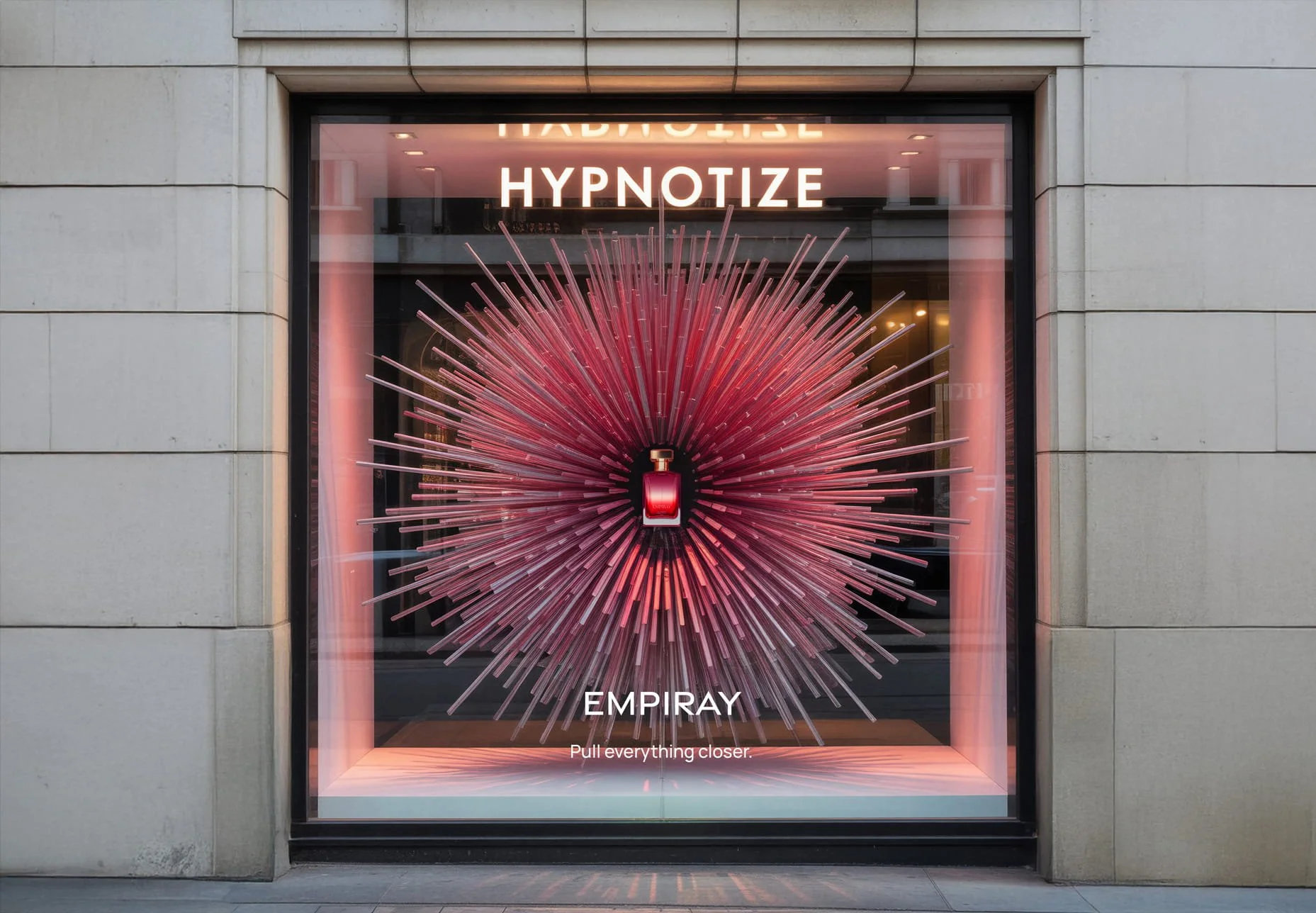
Building a Brand in East London: What Growing Businesses Get Wrong
East London is full of strong ideas, but many brands lose momentum by treating branding as a visual task rather than a structured system. The difference comes down to clarity, consistency, and building something that can scale beyond early traction.
How Much Does a Website Cost for a Small Business in the UK?
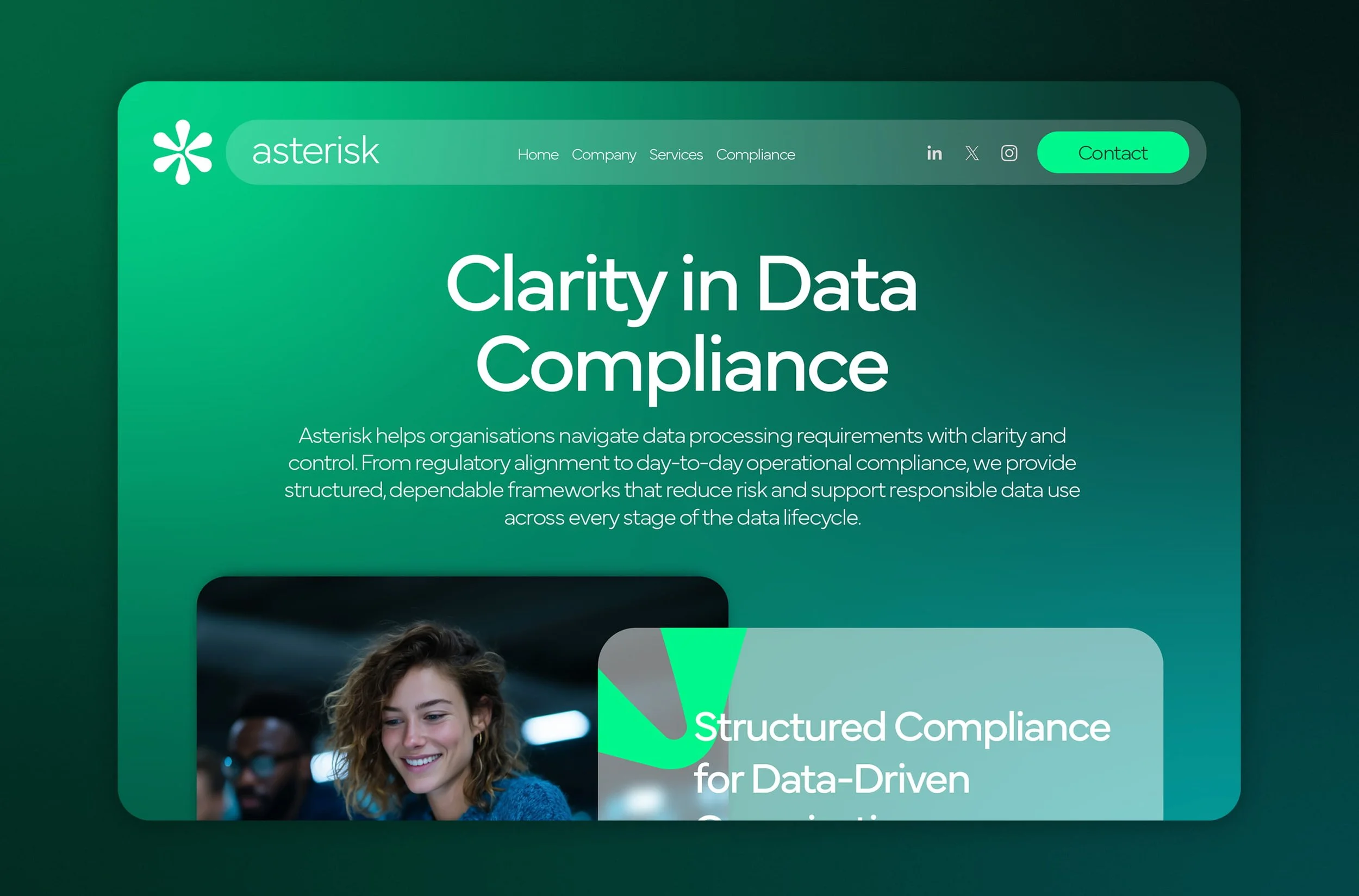
Website costs in the UK vary widely because they reflect one key difference, whether the site simply exists or actively supports business growth. Understanding what goes into structure, content, and performance explains why some websites deliver results while others fall short.
How to Rebrand Without Losing Your Existing Customers
Rebranding doesn’t fail because of design, it fails when existing customers no longer recognise what they trusted. The key is evolving how the brand is presented while keeping the core experience and message consistent.